
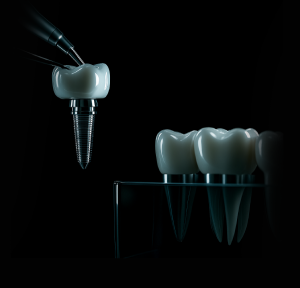
Losing a tooth changes more than your appearance. It affects how you chew, how you speak, and how you feel in social situations. Over time, it also weakens your jawbone and shifts nearby teeth. Dental implants solve these problems by replacing both the root and the crown of a missing tooth.
This guide explains dental implants in Mira Road from start to finish. You will learn how implants work, who qualifies, what the procedure involves, how to care for them, and how to choose the right dentist.
What Are Dental Implants?
A dental implant is an artificial tooth root, usually made of titanium, that a dentist places in the jawbone. After the bone heals around it, the implant forms a solid foundation for a crown, bridge, or denture. Because it integrates with the bone, an implant behaves much like a natural tooth.
Compared with other replacements, implants stand out because they:
- Look and feel natural
- Preserve jawbone density
- Protect neighbouring teeth
- Support strong, comfortable chewing
- Last for many years with proper care
Why Replace Missing Teeth Promptly?
Delay causes real damage. When a tooth goes missing, the following changes begin:
- Bone loss: Without a root to stimulate it, the jawbone gradually shrinks.
- Tooth shifting: Neighbouring and opposing teeth drift into the gap.
- Bite problems: Uneven chewing strains the jaw joints.
- Facial changes: Bone loss can cause a sunken look around the mouth.
- Difficulty eating: Missing teeth reduce chewing efficiency and limit food choices.
Replacing the tooth early limits these effects and often simplifies treatment.
Benefits of Dental Implants
Natural Appearance
Implant crowns match the colour, shape, and size of your teeth. Consequently, most people cannot tell the difference.
Long-Term Durability
With good hygiene and regular check-ups, implants can last decades. Few other options offer such longevity.
Better Chewing Power
Implants stay firmly in place, so you can enjoy apples, rotis, and your favourite foods without worry.
Bone Preservation
The implant transfers chewing forces to the bone and keeps it strong.
Convenience
Unlike dentures, implants never slip, click, or need adhesives. You brush and floss them like regular teeth.
Confidence
Many patients describe renewed confidence after getting implants. They smile, talk, and eat without self-consciousness.
Types of Dental Implants
Different situations call for different solutions.
Single-Tooth Implants
A single implant with a crown replaces one missing tooth without involving neighbouring teeth.
Multiple-Tooth Implants
Two or more implants can support an implant bridge that replaces several adjacent teeth.
Implant-Supported Dentures
Patients who lose most or all teeth can use implants to anchor a denture. This approach gives far greater stability than traditional dentures.
All-on-4 and All-on-6
These techniques place four to six implants to support a full arch of teeth. They often allow faster results with fewer implants and sometimes reduce the need for bone grafting.
Immediate-Load Implants
In suitable cases, the dentist places a temporary crown on the same day as the surgery. Your bone quality and bite determine whether you qualify.
Zirconia Implants
Zirconia implants suit people who prefer metal-free options. However, titanium remains the most researched and widely used material.
Are You a Good Candidate for Implants?
Most healthy adults qualify, but your dentist must examine you first. Ideal candidates generally have:
- Good general health
- Healthy gums
- Sufficient jawbone, or suitability for bone grafting
- A commitment to oral hygiene
- No uncontrolled medical conditions
Certain conditions need extra care. For example, uncontrolled diabetes, heavy smoking, and some medications can slow healing. Your dentist will discuss ways to manage these risks. In many cases, preparation treatments such as gum therapy or bone grafts make implants possible.
The Dental Implant Procedure in Mira Road
The process involves several phases. Understanding each one prepares you for what lies ahead.
Phase 1: Consultation and Planning
The dentist reviews your medical history, examines your mouth, and orders scans such as an OPG or CBCT. These images show bone volume and the location of nerves and sinuses. Based on the findings, the dentist builds a personalised plan and gives you a clear estimate.
Phase 2: Preparatory Treatment
If you have decay, gum disease, or a tooth that needs extraction, the dentist treats those first. Bone grafting or a sinus lift may also happen at this stage.
Phase 3: Implant Placement
Under local anaesthesia, the dentist places the implant into the jawbone. The procedure typically takes 30 to 60 minutes per implant. Patients usually describe pressure, not pain.
Phase 4: Healing and Integration
Over the next two to four months, the implant bonds with the bone. During this time, you may wear a temporary tooth, if appropriate.
Phase 5: Abutment and Crown
When healing completes, the dentist attaches an abutment, takes impressions, and delivers a custom crown. The crown is then fixed in place, and your smile returns.
Phase 6: Maintenance
Regular check-ups keep the implant healthy. The dentist monitors the gums, bone, and bite at each visit.
Recovery: What to Expect
Most patients return to normal activities within a day or two. You might experience:
- Mild swelling or bruising
- Slight bleeding in the first 24 hours
- Soreness that fades in a few days
To speed healing:
- Take prescribed medicines on schedule.
- Apply cold packs during the first day.
- Eat soft, cool foods for a few days.
- Avoid smoking and alcohol.
- Rinse gently with salt water after 24 hours.
- Keep the area clean, but avoid disturbing the surgical site.
- Attend all follow-up appointments.
Call your dentist if pain worsens, swelling increases after three days, or you notice fever.
How to Care for Your Implants
Implants cannot decay, but the surrounding gums and bone can still develop disease. Therefore, daily care remains essential.
- Brush twice a day with a soft brush.
- Floss or use interdental brushes daily.
- Use a water flosser if your dentist recommends it.
- Avoid chewing on hard objects like ice or pen caps.
- Visit your dentist for check-ups every six months.
- Quit smoking, since tobacco greatly increases implant failure risk.
Peri-implantitis, an infection around the implant, remains the main threat. Early detection and professional cleaning prevent serious problems.
Success Rate and Risks
Dental implants have a high success rate when a skilled professional performs the surgery and the patient maintains good hygiene. Nevertheless, like any surgery, implants carry some risks:
- Infection at the surgical site
- Implant failure due to poor bone integration
- Nerve or sinus complications (rare with proper planning)
- Gum recession
- Peri-implantitis
Choosing an experienced dentist, using CBCT planning, and following aftercare instructions reduce these risks significantly.
Dental Implants vs. Bridges vs. Dentures
| Feature | Implant | Bridge | Denture |
|---|---|---|---|
| Looks natural | Yes | Yes | Moderate |
| Protects jawbone | Yes | No | No |
| Needs grinding of nearby teeth | No | Yes | No (but may use clasps) |
| Stability | Excellent | Good | Fair to poor |
| Lifespan | Very long | Moderate | Short to moderate |
| Upfront cost | Highest | Moderate | Lowest |
Although implants cost more at the start, they often deliver the best value over time. For a detailed cost breakdown, read our guide on dental implant cost in Mira Road.
How Much Do Dental Implants Cost?
A single implant with a crown in Mumbai suburbs generally falls between roughly ₹25,000 and ₹60,000 or more, depending on brand, materials, and additional procedures. Full-arch solutions cost considerably more. Because every mouth differs, an in-person examination gives the only accurate quote. Ask the clinic to itemise the fixture, abutment, crown, scans, and any grafting.
How to Choose the Right Implant Dentist in Mira Road
The success of your implant depends largely on the dentist. Use this checklist:
- Training: Look for postgraduate or fellowship training in implantology.
- Experience: Ask how many implants the dentist places each year.
- Technology: Check for CBCT scans, digital planning, and guided surgery.
- Implant brands: Confirm that the clinic uses reputable, traceable systems.
- Sterility: Insist on a clean, well-sterilised surgical environment.
- Transparency: Seek a clear written estimate, with no hidden charges.
- Follow-up: Choose a clinic that provides long-term maintenance.
- Reviews: Read patient feedback and ask for before-and-after cases.
If you want a dependable dental clinic in Mira Road, schedule a consultation and observe how the team communicates. A good dentist explains your options without pressure.
Why Choose Cosmodent Implant Clinic?
Cosmodent Implant Clinic offers advanced implant dentistry as part of its comprehensive dental care. The clinic combines modern diagnostics, careful planning, and a gentle approach to help patients feel at ease. Because the team handles every stage, from extraction and grafting to crown placement, you receive coordinated care instead of fragmented treatment.
Patients looking for the best dentist in Mira Road for implants appreciate transparent communication and personalised plans. Likewise, if you live near Kandivali, you can book dental implants in Kandivali at the Kandivali branch and receive the same level of care. As a respected dental care clinic in the Mumbai region, Cosmodent focuses on long-term results that keep you smiling.
Real-Life Scenarios: When Implants Make Sense
Scenario 1: A single missing front tooth. An accident knocks out an upper front tooth. An implant restores both function and appearance without filing down healthy neighbours.
Scenario 2: A failed root canal. A cracked, infected molar cannot be saved. The dentist removes it and places an implant to preserve bone and chewing strength.
Scenario 3: Loose dentures. A senior patient struggles with slipping dentures. Implant-supported dentures give stability and let the patient eat comfortably again.
Scenario 4: Multiple missing teeth. Gum disease leads to the loss of several teeth. An All-on-4 solution rebuilds a full arch efficiently.
Frequently Asked Questions
Are dental implants painful?
The surgery happens under local anaesthesia, so you feel little discomfort. Mild soreness afterwards usually responds to medication.
How long do implants take from start to finish?
Most cases take three to six months, depending on healing and any preparatory procedures. Immediate-load options can shorten the visible timeline.
Can older adults get implants?
Yes. Age alone does not prevent implants. Overall health and bone quality matter more.
Do implants set off metal detectors?
No. The small amount of titanium does not trigger them.
What happens if an implant fails?
Dentists can often remove the failed implant, let the site heal, and place a new one. Early monitoring improves the chances of success.
Can smokers get implants?
Smokers face a higher risk of failure. Dentists strongly encourage quitting before and after surgery.
Final Thoughts
Dental implants offer a lasting, natural-looking solution for missing teeth. They restore your ability to eat, speak, and smile freely, and they protect your jawbone and neighbouring teeth. Although the initial investment feels significant, the long-term value stands out. Choose a skilled implant dentist, follow aftercare, and maintain regular check-ups to protect your results.
Take the next step towards a complete smile. Book your consultation for dental implants in Mira Road and learn which solution suits you best.